
Crude Accountability recognizes the climate crisis as one of the most urgent human rights concerns of our time. We partner with local civil society organizations to monitor energy companies’ activities and track their impact on climate change. Oil and gas development is a key contributor to the climate crisis, and, in our work, we draw on decades of experience collaborating with communities impacted by extractives to address policies and industry practices that contribute to climate change.
As part of our efforts to publicize climate issues in policy circles, Crude Accountability has been working with climate activists, scholars, and policy makers within the OSCE region to gather and report on different environmental issues from communities around the region. Providing stories and recommendations for OSCE policy makers, these narratives are in written and video form.
We call on countries, international bodies, corporations, and international institutions to strengthen and uphold their commitments to environmentally sound practices and environmental protection.
To learn more about specific climate commitments by country, scroll down to the bottom of the page.
Relying on the latest scientific data, we also address climate justice and environmental rights in our research into the environmental impacts of hydrocarbon development.
And, as a founding member of the Climate Justice Working Group of the Civic Solidarity Platform (CSP), Crude Accountability leads advocacy for climate justice in the OSCE region. In our work, we recognize the intersectionality of climate justice with gender issues, racism, impunity, violence, and human rights abuses. In this context, the Climate Justice Working Group gathers information about climate justice in the OSCE region, brings this issue to the forefront of OSCE concerns, and strengthens the capacity of the CSP to engage on issues like environmental degradation, human rights, and protection of environmental defenders from reprisals.
A Summary of Climate Commitments by Country
Azerbaijan
Azerbaijan signed the Paris Agreement in 2016, committing to the reduction of greenhouse gas (GHG) emissions to 35% of 1990 levels by 2030. As a signatory, Azerbaijan also committed to holding the “global average temperature to well below 2 degrees C above pre-industrial levels and [to pursue]efforts to limit the temperature increase to 1.5 degrees C above pre-industrial levels.” During COP26 held in Glasgow in 2021, Rauf Hajiyev, Deputy Minister of Ecology and Natural Resources of Azerbaijan stated, “Despite the fact that we are an oil and gas country, Azerbaijan has set a goal to increase the share of renewable energy sources in electricity production to 30% by 2023. We are pleased to announce the country’s new goals to reduce greenhouse gas emissions by 40% by 2050 and create a zero-emission zone in the liberated territories [Nagorno-Karabakh].”
In 2024, Azerbaijan hosted COP29, and in the aftermath, the country has failed to meet its climate goals, and, in fact, has backtracked on many of them. Azerbaijan has also cracked down on civil society, imprisoning environmental and climate defenders, independent journalists, and human rights defenders in the country’s worst crackdown on human rights in decades.
Reports
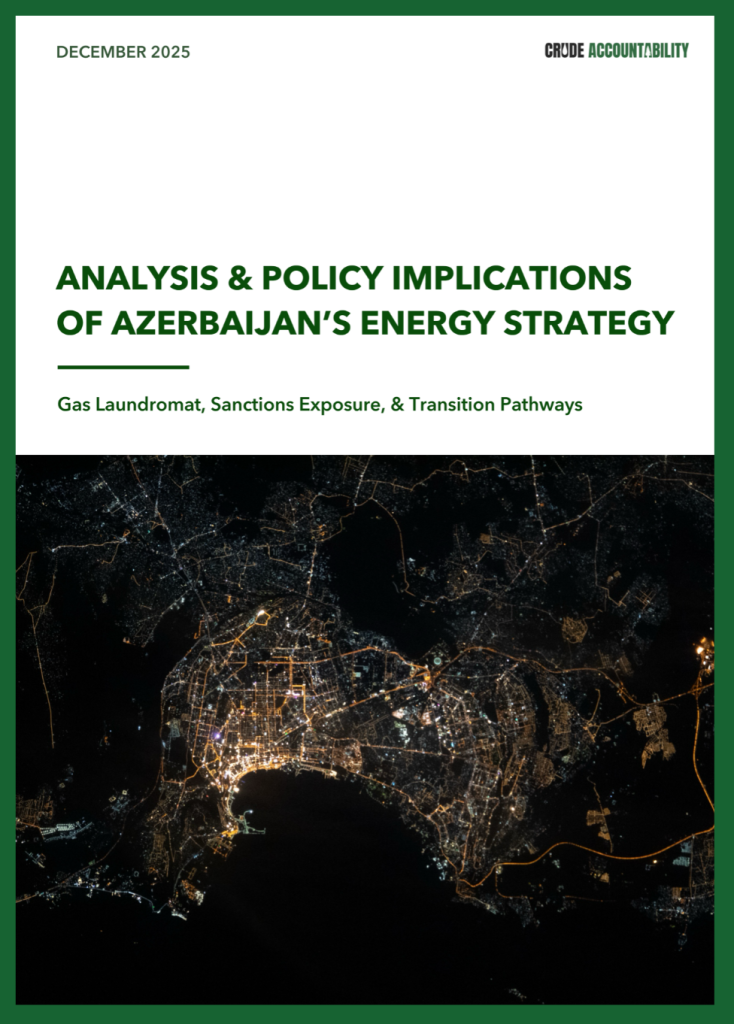

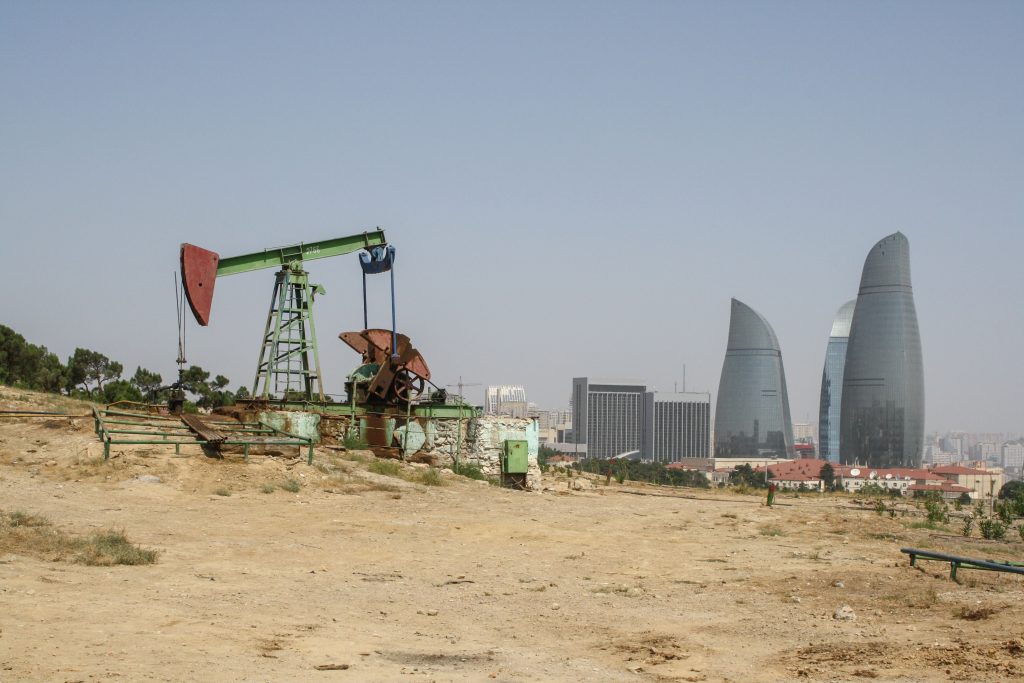
Flames of Toxicity: Environmental & Social Impacts of Azerbaijan’s Oil & Gas Development (2022)
By Crude Accountability
Blogs
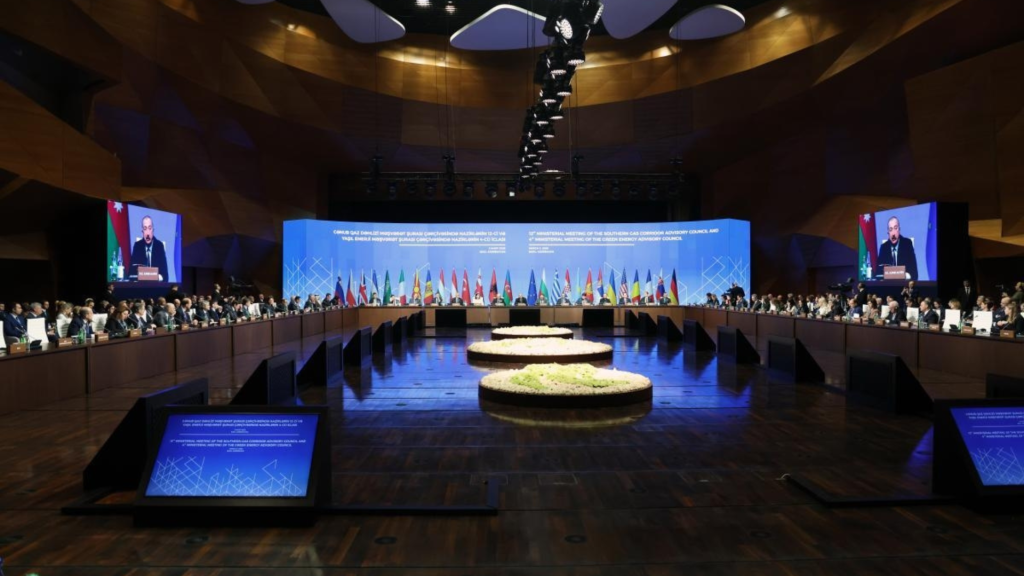
The EU’s Phase-Out of Russian Gas: Progress, Risks, and Security Implications
By Dr. Gubad Ibadoghlu

Europe’s Energy Interests and the Authoritarian Trade-Off
By Dr. Gubad Ibadoghlu
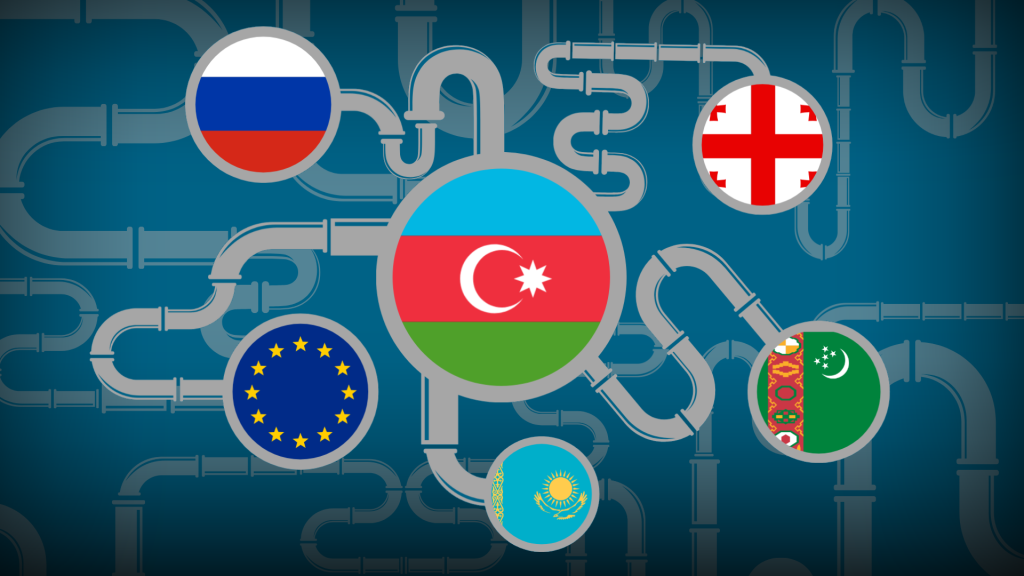
Baku’s “Gas Laundromat”: A Contradiction in Brussels’ Energy Strategy?
By Dr. Gubad Ibadoghlu

Balancing Act: Azerbaijan’s Energy Links to Russia and the Sanctions Regime
By Dr. Gubad Ibadoghlu
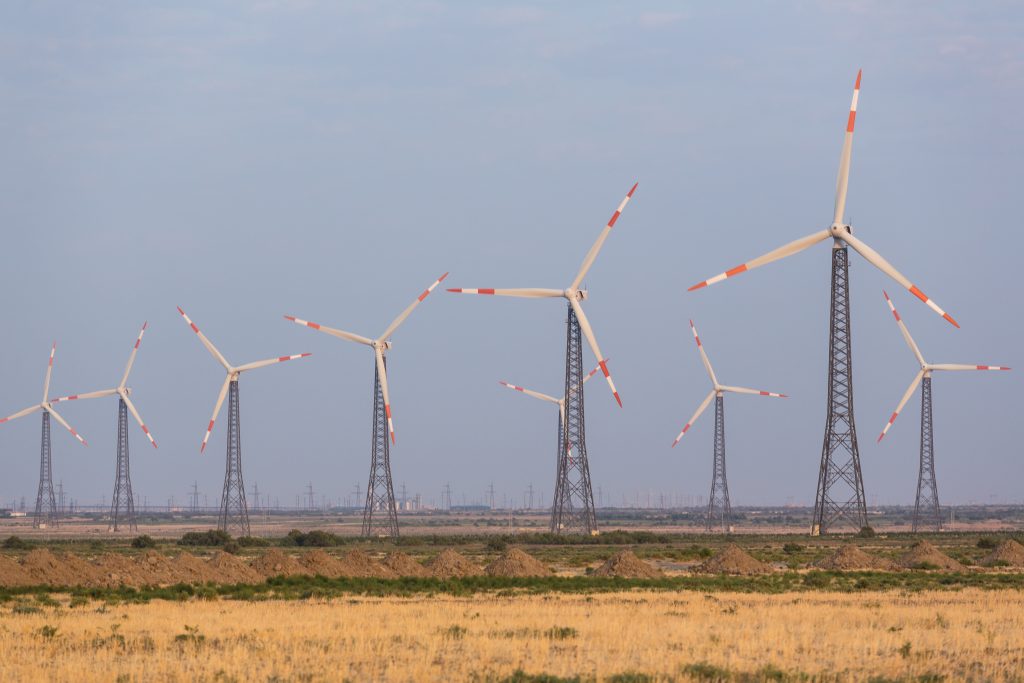
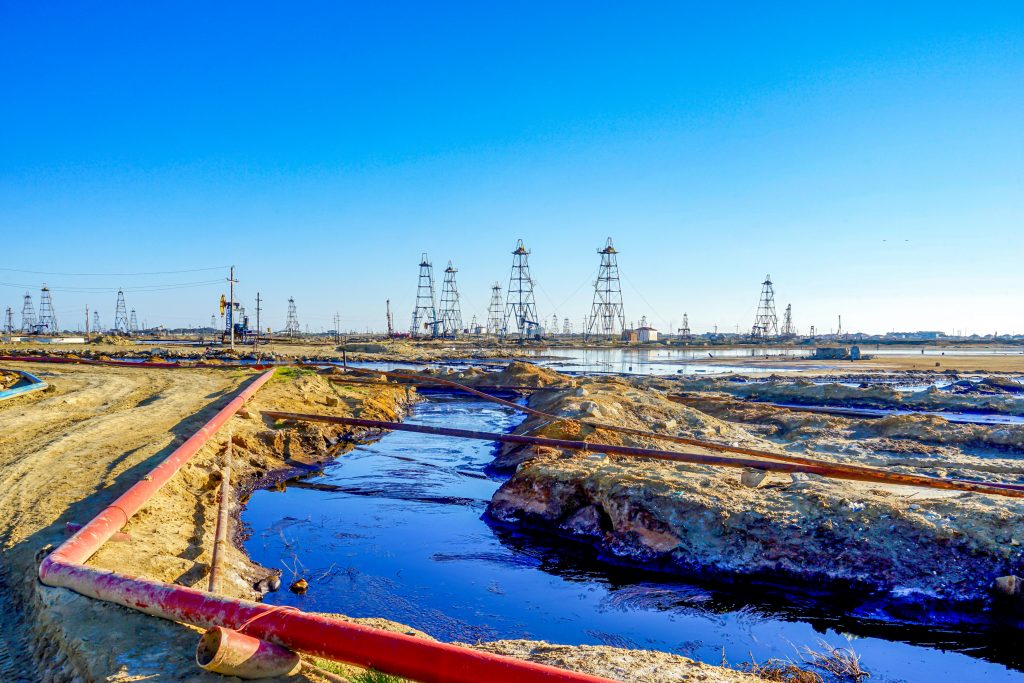
Azerbaijan’s Energy Paradox: Fossil Fuel Expansion vs. Green Commitments
By Dr. Gubad Ibadoghlu
Azerbaijani Gas Exports to Europe via Ukraine: Reality or Illusion?
By Dr. Gubad Ibadoghlu


Kazakhstan
Kazakhstan became a signatory to the Paris Agreement in 2016 and committed to a reduction of its GHG emissions to 15% of 1990 levels by 2030. According to a 2021 report, Kazakhstan’s efforts are close to “business as usual,” which may lead to an increase in emissions. In order to achieve its NDC, Kazakhstan announced at COP26 that it would increase its energy generation from renewable and clean sources, increase carbon sequestration efforts, and reduce coal usage by 30%. President Tokayev announced Kazakhstan’s commitment to carbon neutrality by 2060. Kazakhstan hopes to achieve this by improving the sustainability of land and water use, the energy efficiency of the economy, electrification, and large-scale use of environmentally friendly, including renewable, energy sources. Kazakhstan also seeks to capitalize on market mechanisms and private investments. Kazakhstan is ranked 60th in the CCPI in 2026, with continued heavy reliance on fossil fuels in the energy sector.
Building on our two decades of environmental monitoring work in Kazakhstan, since 2024, Crude Accountability has been monitoring emissions from fossil fuel sites in Kazakhstan, the results of which are documented in numerous fact sheets, posts, reports, and other documents on our website.
Reports


Blogs
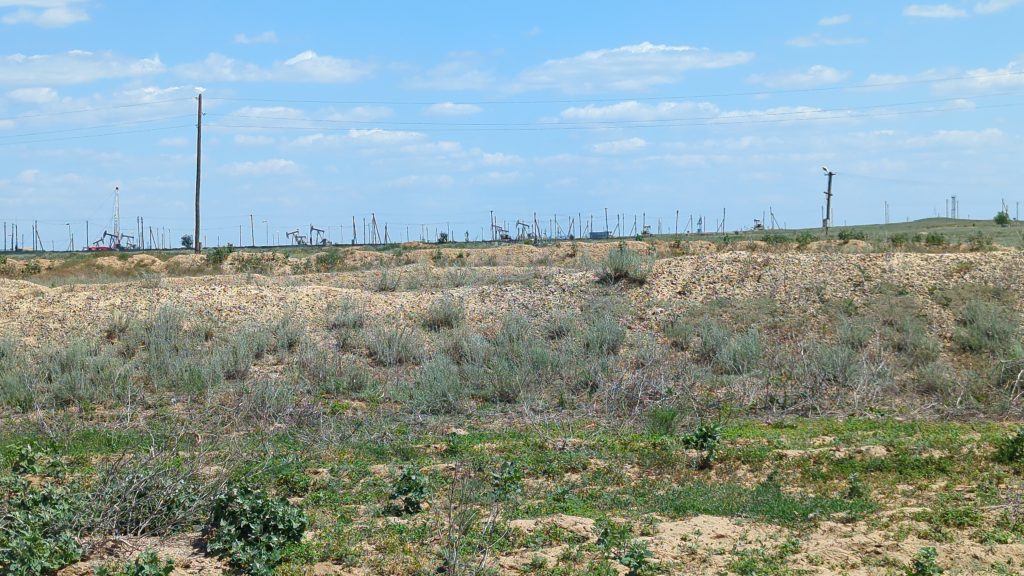
Breathing Toxic Air: What I Learned at Kokzhide
By Research Associate at Crude Accountability
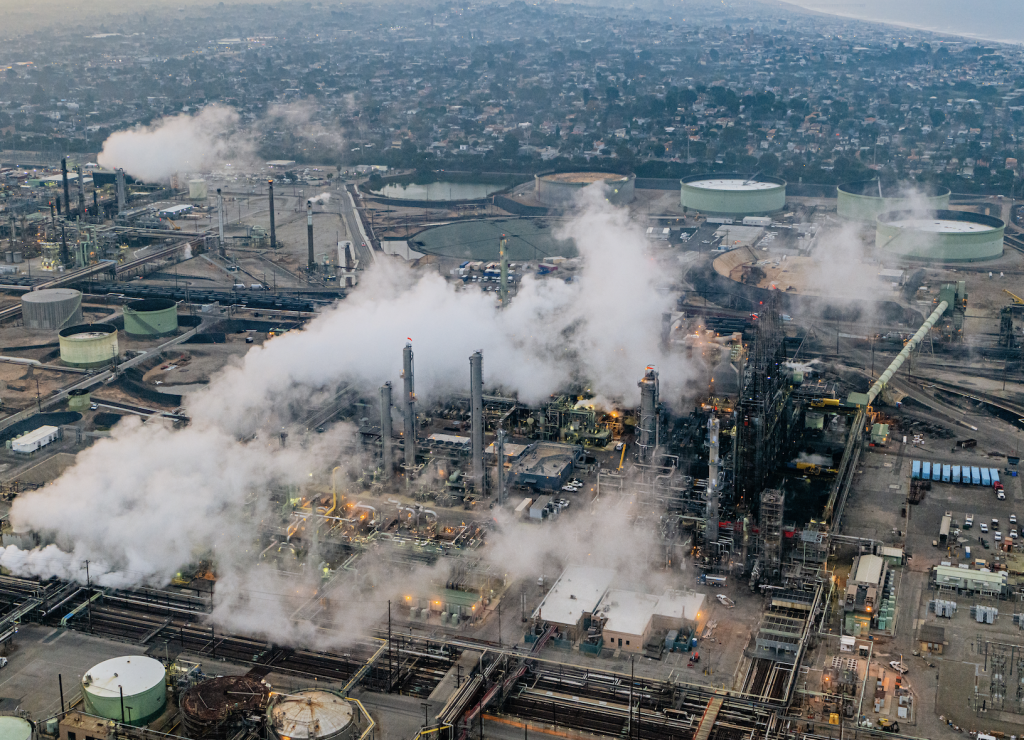
From California to Kazakhstan, Communities Rise Up Against Chevron
By Mariel Kieval
Russia
Russia became a signatory to the Paris Agreement in April 2015. In 2025, the Russian Federation updated its commitment to reduce GHG emissions by 33-35% compared to 1990 levels by 2030. The original commitment was 25-30% in the same time frame. Because of emissions reductions in the 1990s, the current goals are actually higher than current output. According to Climate Change Performance Index, Russia is a very low climate performer, ranking 64th in the CCPI.
Turkmenistan
Turkmenistan became a signatory to the Paris Agreement in September 2016. It signed on to the Global Methane Pledge in 2024. Turkmenistan’s revised NDC commits to an unconditional 20% reduction in emissions by 2030, compared to 2010 levels, under a business-as-usual scenario. Most of Turkmenistan’s emissions come from the energy sector, which is dominated by fossil fuels. Based on current policies, GHG emissions per capita are projected to increase by 15% by 2030 when compared to 2015 levels.

