
What is Methane?
Methane (CH4) is a colorless, odorless, and highly flammable gas. It is the primary and most abundant component of natural gas. Methane is a highly potent greenhouse gas as it traps heat in the atmosphere.
Is Methane Dangerous?
Yes, there are health and environmental risks associated with methane emissions.
Methane displaces oxygen upon reacting with it, which can cause suffocation, hypoxia, and death when present in high concentrations. The chemical reaction of methane with oxygen leads to the formation of ground-level ozone (O3) and black carbon, a specific type of particulate matter (PM). Both compounds increase rates of asthma and chronic respiratory illnesses, reduce lung function, and contribute to cardiovascular diseases. The connection between premature mortality and long-term exposure to ozone and black carbon has been well established.
Children are more vulnerable to air pollution due to their developing bodies and higher breathing rate relative to their size. Exposure can lead to various health problems, including asthma, allergies, eczema, and developmental delays.
When it comes to its environmental impact, methane is a potent greenhouse gas that is about 80 times more effective than carbon dioxide at trapping heat, making it a major contributor to climate change.
Methane can oxidize soil, reducing the soil’s potential and contributing to soil and plant damage, disturbing ecosystems.
Climate change, the long-term effect of methane pollution, impacts human health in numerous ways, including causing death and illness from more frequent extreme weather events like heat waves, storms, and floods.
Climate change disrupts food systems, increases zoonotic diseases, and leads to food-, water-, and vector-borne illnesses, as well as mental health problems.
Sources of Methane
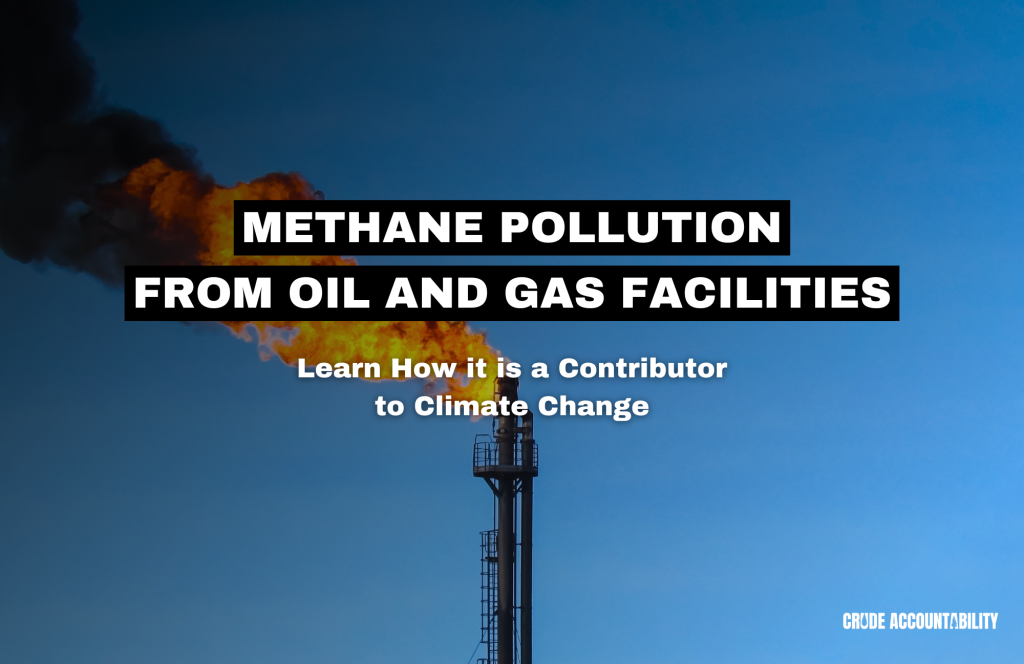

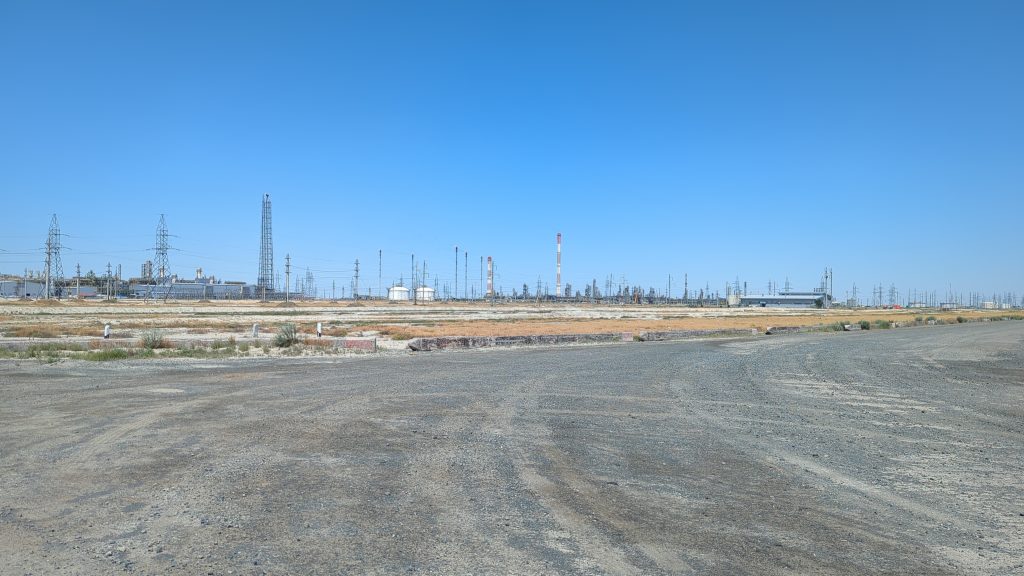
Major contributors to methane pollution include energy, agriculture, and waste sectors. In Central Asia and the Caspian region, rich in oil and gas, the energy sector is the largest contributor to methane emissions. The oil and gas sector is one of the largest industrial sources of methane emissions worldwide. In fossil fuel production, methane occurs as a result of venting, flaring, and leaks.
Venting is the direct release of methane gas into the atmosphere. It occurs primarily for safety reasons, and the amount of gas vented varies depending on the operational requirements and design of the specific equipment and facility.
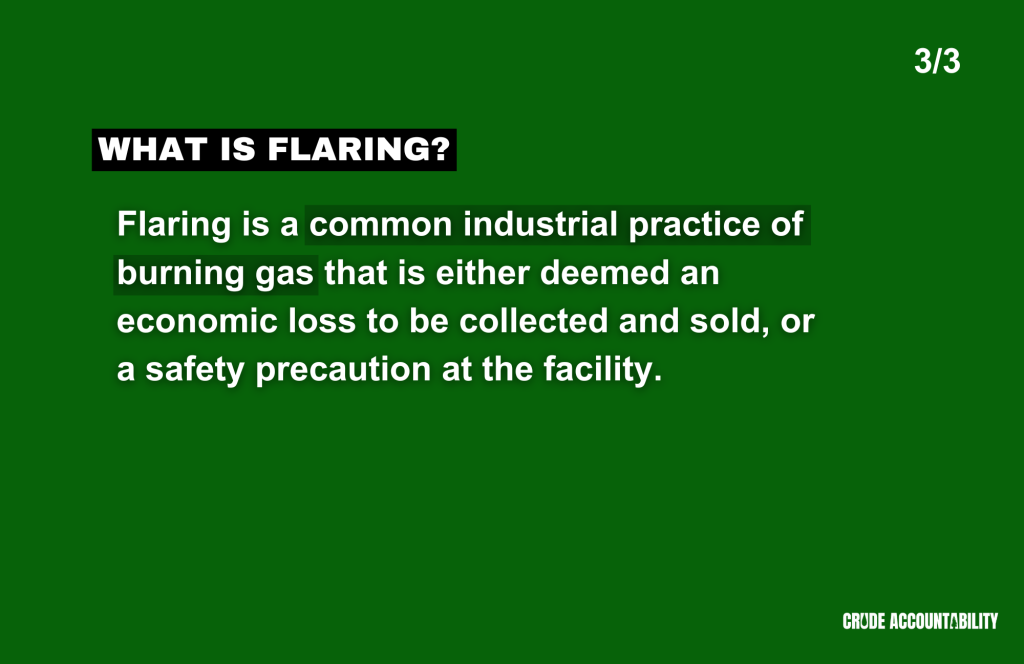
Flaring is a common industrial practice used when natural gas that cannot be used or recovered economically is burned instead of being sold or vented.
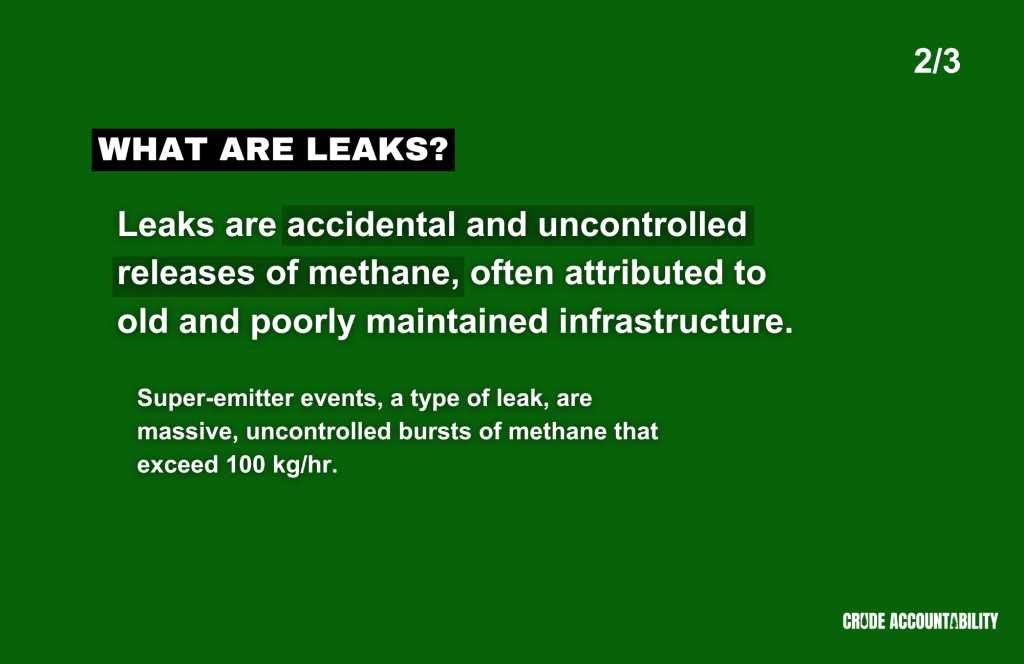
Unlike flaring or venting, which can be controlled, regulated, and intentional, methane leaks happen in emergency scenarios such as faulty equipment, corrosion, and aging infrastructure.
Why Methane Matters
Unlike carbon dioxide, which can stay in the atmosphere for centuries, methane only lasts about a decade. Its effects on human health, the environment, and the climate can be reduced through the use of well-studied and concrete emissions reduction strategies. Many methods and technologies are already available to help lower methane emissions. These include fixes like leak detection and repair, significantly reducing non-emergency venting and flaring, and upgrading existing oil and gas infrastructure.
What We Do
The first step toward reducing the harmful environmental, climate, and health effects of methane is to increase the transparency of methane data reporting, foster public participation and community involvement in decision-making that affects their health, and ensure these decisions align with the country’s international environmental and climate commitments.
That’s why, since 2024, Crude Accountability has been leading a new campaign aimed at making environmental and health-related data available and accessible, increasing community engagement, and, together with scientists, environmentalists, and community leaders, creating a roadmap for mitigating methane emissions in the region.